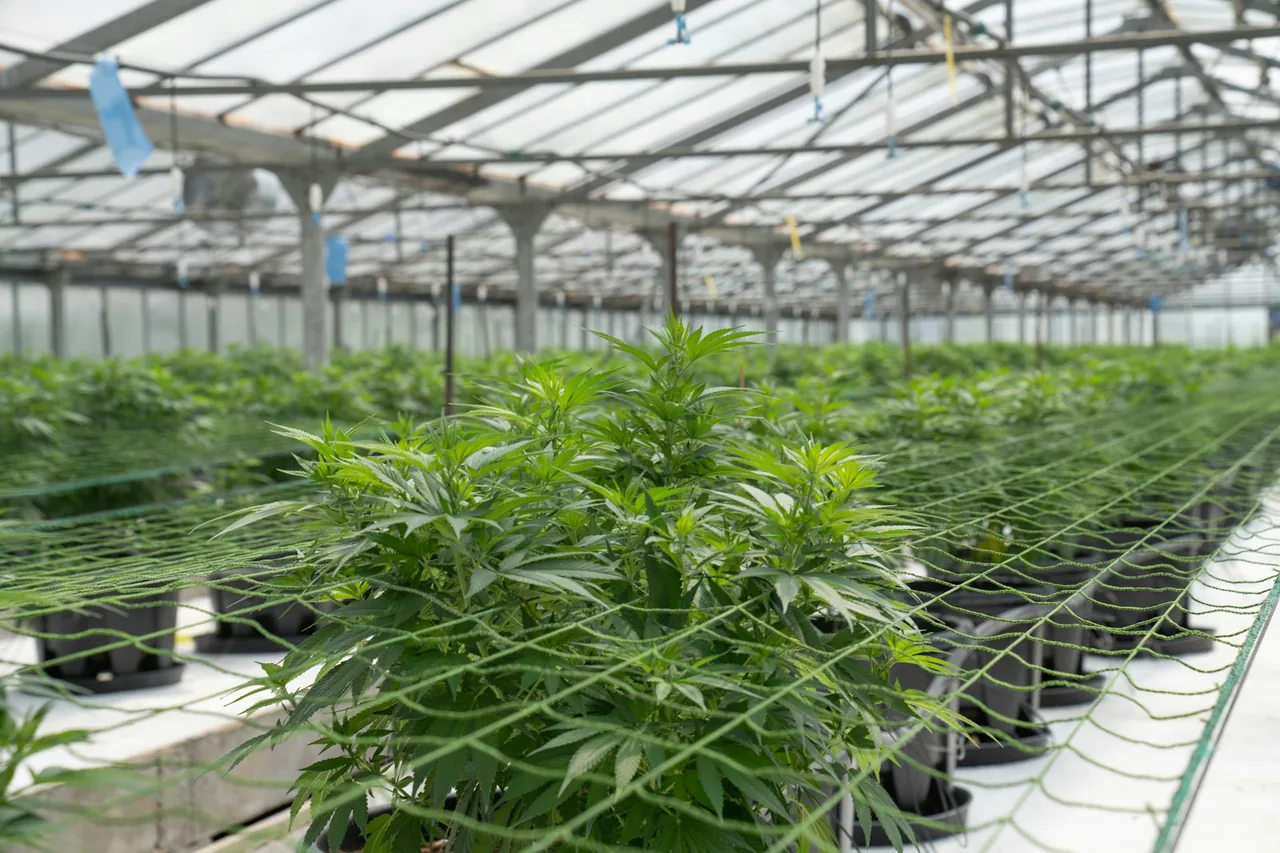
Licensing creates the market’s boundaries
Licensing creates the market’s boundaries becomes clearer when the claim is placed in the right layer of the cannabis system. A botanical observation, laboratory measurement, regulated label, business metric and personal report answer different questions. Pure Harvest uses those distinctions to explain cannabis industry without turning a partial fact into a universal conclusion.
The first step is definition. Identify the plant material, finished product, company, market or rule being discussed; then identify the method and date behind the statement. Cannabis varies by genetics, environment, processing and batch. Markets vary by jurisdiction, license type, taxes and maturity. A precise claim names those boundaries instead of hiding them.
The second step is comparison. Look for a meaningful denominator, a suitable control or a like-for-like period. Potency by dry weight is not the same as milligrams per package; gross margin is not cash flow; a greenhouse in one climate is not automatically comparable with a sealed indoor room in another. Good evidence makes the comparison visible.
The final step is consequence. Ask what decision the information is meant to support and what could go wrong if it is incomplete. Health, impairment, legal and investment questions deserve a higher verification standard than general curiosity. Use current official sources and qualified professional advice when the stakes move beyond education.
Cultivation and processing transform inventory
Cultivation and processing transform inventory becomes clearer when the claim is placed in the right layer of the cannabis system. A botanical observation, laboratory measurement, regulated label, business metric and personal report answer different questions. Pure Harvest uses those distinctions to explain cannabis industry without turning a partial fact into a universal conclusion.
The first step is definition. Identify the plant material, finished product, company, market or rule being discussed; then identify the method and date behind the statement. Cannabis varies by genetics, environment, processing and batch. Markets vary by jurisdiction, license type, taxes and maturity. A precise claim names those boundaries instead of hiding them.
The second step is comparison. Look for a meaningful denominator, a suitable control or a like-for-like period. Potency by dry weight is not the same as milligrams per package; gross margin is not cash flow; a greenhouse in one climate is not automatically comparable with a sealed indoor room in another. Good evidence makes the comparison visible.
The final step is consequence. Ask what decision the information is meant to support and what could go wrong if it is incomplete. Health, impairment, legal and investment questions deserve a higher verification standard than general curiosity. Use current official sources and qualified professional advice when the stakes move beyond education.
Testing, distribution and traceability
Testing, distribution and traceability becomes clearer when the claim is placed in the right layer of the cannabis system. A botanical observation, laboratory measurement, regulated label, business metric and personal report answer different questions. Pure Harvest uses those distinctions to explain cannabis industry without turning a partial fact into a universal conclusion.
The first step is definition. Identify the plant material, finished product, company, market or rule being discussed; then identify the method and date behind the statement. Cannabis varies by genetics, environment, processing and batch. Markets vary by jurisdiction, license type, taxes and maturity. A precise claim names those boundaries instead of hiding them.
The second step is comparison. Look for a meaningful denominator, a suitable control or a like-for-like period. Potency by dry weight is not the same as milligrams per package; gross margin is not cash flow; a greenhouse in one climate is not automatically comparable with a sealed indoor room in another. Good evidence makes the comparison visible.
The final step is consequence. Ask what decision the information is meant to support and what could go wrong if it is incomplete. Health, impairment, legal and investment questions deserve a higher verification standard than general curiosity. Use current official sources and qualified professional advice when the stakes move beyond education.
Retail economics and consumer demand
Retail economics and consumer demand becomes clearer when the claim is placed in the right layer of the cannabis system. A botanical observation, laboratory measurement, regulated label, business metric and personal report answer different questions. Pure Harvest uses those distinctions to explain cannabis industry without turning a partial fact into a universal conclusion.
The first step is definition. Identify the plant material, finished product, company, market or rule being discussed; then identify the method and date behind the statement. Cannabis varies by genetics, environment, processing and batch. Markets vary by jurisdiction, license type, taxes and maturity. A precise claim names those boundaries instead of hiding them.
The second step is comparison. Look for a meaningful denominator, a suitable control or a like-for-like period. Potency by dry weight is not the same as milligrams per package; gross margin is not cash flow; a greenhouse in one climate is not automatically comparable with a sealed indoor room in another. Good evidence makes the comparison visible.
The final step is consequence. Ask what decision the information is meant to support and what could go wrong if it is incomplete. Health, impairment, legal and investment questions deserve a higher verification standard than general curiosity. Use current official sources and qualified professional advice when the stakes move beyond education.
Taxation, compliance and market pressure
Taxation, compliance and market pressure becomes clearer when the claim is placed in the right layer of the cannabis system. A botanical observation, laboratory measurement, regulated label, business metric and personal report answer different questions. Pure Harvest uses those distinctions to explain cannabis industry without turning a partial fact into a universal conclusion.
The first step is definition. Identify the plant material, finished product, company, market or rule being discussed; then identify the method and date behind the statement. Cannabis varies by genetics, environment, processing and batch. Markets vary by jurisdiction, license type, taxes and maturity. A precise claim names those boundaries instead of hiding them.
The second step is comparison. Look for a meaningful denominator, a suitable control or a like-for-like period. Potency by dry weight is not the same as milligrams per package; gross margin is not cash flow; a greenhouse in one climate is not automatically comparable with a sealed indoor room in another. Good evidence makes the comparison visible.
The final step is consequence. Ask what decision the information is meant to support and what could go wrong if it is incomplete. Health, impairment, legal and investment questions deserve a higher verification standard than general curiosity. Use current official sources and qualified professional advice when the stakes move beyond education.
A practical verification routine
Before relying on a claim, write down the exact decision it is meant to support. General vocabulary may be enough for orientation but not for changing medication, driving, crossing a border, evaluating a regulated product or committing capital. The possible consequence determines the depth of verification.
Match each question to its strongest source. A batch certificate can address measured chemistry; an ingredient panel can identify formulation; an official regulator can describe current rules; audited filings can clarify company finances; and a qualified clinician can consider interactions. No single source answers all of those questions.
Keep a stop condition. If dates conflict, the batch does not match, a source promises guaranteed outcomes, financial figures lack context or the governing rule is unclear, pause. Uncertainty is information, not an invitation to replace evidence with optimism.
Sources & further reading
- U.S. Food and Drug Administration: cannabis and cannabis-derived products
- U.S. Centers for Disease Control and Prevention: cannabis and public health
- National Highway Traffic Safety Administration: drug-impaired driving
- USDA Agricultural Marketing Service: hemp program
Regulation and public-health guidance change. Check the relevant official authority for the place and date of your decision.
Clear answers
Frequently asked questions
What is the central limitation discussed here?
The legal cannabis market is a regulated value chain linking licensed cultivation, manufacturing, distribution, testing and retail.
What should be compared before reaching a conclusion?
Compare like with like: the same unit, batch, period, jurisdiction and decision context.
Where should current rules be checked?
Use the official regulator or government authority responsible for the relevant jurisdiction and product.
When is professional guidance appropriate?
Use qualified health, legal or financial guidance when a decision depends on personal circumstances or carries material consequences.